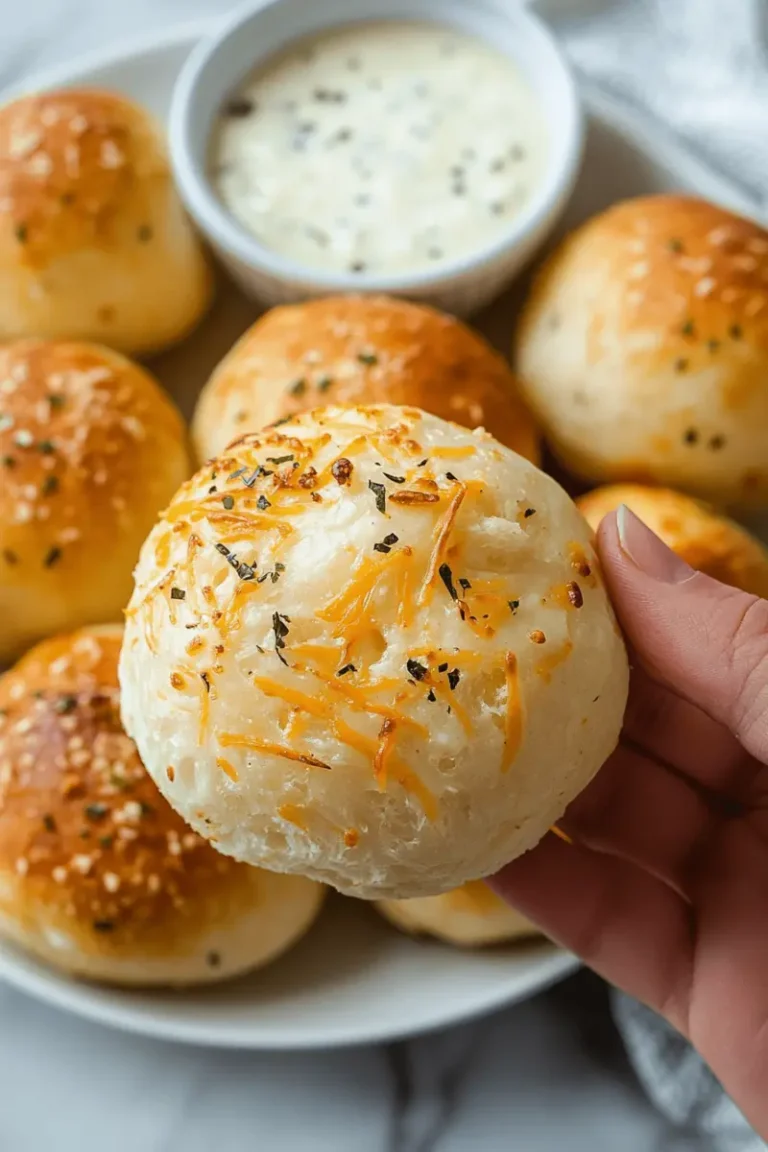
Easy Focaccia Bread recipe for home bakers

Easy Focaccia Bread provides a simple way to create bakery-quality Italian flatbread right in your own kitchen with minimal effort. This no-knead technique delivers a golden, crispy crust and a soft, airy interior perfect for any meal. Mastering this classic recipe allows you to serve fresh, fragrant bread topped with herbs or sea salt whenever cravings strike.

Table of Contents
Why This Recipe Works
This recipe succeeds because it prioritizes hydration and minimal handling to build structure without the labor of traditional bread making. By letting the dough rest and rise slowly, the development of natural gluten happens organically, resulting in that iconic dimpled texture and large bubbles.
My personal experience with this method shows that using high-quality olive oil makes all the difference in the final flavor profile. This approach removes the fear of over-kneading, making it approachable for beginners while remaining a favorite for experienced bakers who want a fast, reliable result.

Easy Focaccia Bread
Ingredients
- 4 cups all-purpose flour
- 2 cups warm water (110F)
- 2 tsp instant yeast
- 2 tsp salt
- 4 tbsp extra virgin olive oil
- 1 tbsp dried rosemary
- Sea salt for topping
Instructions
- Combine warm water, yeast, and one tablespoon of oil in a large mixing bowl until dissolved.
- Add flour and salt to the liquid mixture and stir until a shaggy, wet dough forms.
- Cover the bowl with a clean cloth and let the dough rise in a warm spot for 90 minutes.
- Transfer the dough to a greased baking pan and allow it to stretch toward the corners naturally.
- Dimple the surface with fingers dipped in olive oil to create iconic hollows.
- Sprinkle the surface with sea salt and rosemary.
- Bake at 425F for 25 minutes or until the crust is deep golden brown.
Notes
Nutrition
Ingredients for Easy Focaccia Bread
| Ingredient | Quantity | Notes |
|---|---|---|
| All-purpose flour | 4 cups | Bread flour is a viable high-protein alternative. |
| Warm water | 2 cups | Must be around 110F to activate yeast safely. |
| Instant yeast | 2 tsp | Active dry yeast works if proofed in water first. |
| Salt | 2 tsp | Kosher salt provides better texture for topping. |
| Olive oil | 4 tbsp | Use extra virgin olive oil for maximum flavor depth. |
| Dried rosemary | 1 tbsp | Fresh leaves are excellent if available. |
Step-by-Step Instructions
Preparation
Combine warm water, yeast, and a tablespoon of oil in a large mixing bowl until dissolved.
Add flour and salt to the liquid mixture, stirring until a shaggy, wet dough forms.
Proofing
Cover the bowl with a clean cloth and let the dough rise in a warm spot for 90 minutes.
Transfer the dough to a greased baking pan, allowing it to stretch toward the corners naturally.
Baking
Dimple the surface with fingers dipped in olive oil to create iconic hollows.
Sprinkle with sea salt and herbs, then bake at 425F for 25 minutes until deep golden brown.
Chef Tips for Perfect Results
Always use room temperature ingredients to ensure consistent yeast activity.
Dimple the dough deeply with your fingertips to create the characteristic aeration bubbles.
Drizzle extra olive oil over the dimples right before baking for a crispy, fried base.
Let the bread cool on a wire rack for at least 15 minutes to prevent a gummy texture.
Common Mistakes to Avoid
Using water that is too hot will kill the yeast, preventing the dough from rising.
Ignoring the resting phase leads to tough bread that refuses to stretch properly in the pan.
Skipping olive oil on top results in dry, pale crusts rather than a golden, crispy bite.
Baking at too low a temperature causes the bread to dry out before the crust sets.
Variations and Substitutions
| Ingredient | Substitution | Impact on Flavor |
|---|---|---|
| Dried Rosemary | Garlic Powder | Adds a savory, pungent punch rather than earthy notes. |
| Sea Salt | Flaky Salt | Provides a superior crunch and visual appeal. |
| Olive Oil | Infused Oil | Introduces lemon or chili undertones to the final product. |
Frequently Asked Questions for Easy Focaccia Bread
Can I substitute whole wheat flour?
You can substitute up to half of the all-purpose flour with whole wheat flour. This modification increases the nutritional fiber content but results in a denser, nuttier crumb structure.
How do I know the bread is fully baked?
The bread is fully baked when the crust turns a deep golden brown and the underside sounds hollow when tapped. Using a thermometer ensures an internal temperature of at least 190F.
What should I do if the dough is too sticky?
Sticky dough is a hallmark of good focaccia, so avoid adding too much extra flour. Use well-oiled hands to handle the dough effectively without it sticking to your fingers.
Can I make the dough a day ahead?
Yes, you can refrigerate the dough for up to 24 hours after the initial mix for a cold ferment. This extra time improves the flavor complexity and crust blister development.
What is the best way to serve focaccia?
Serve this bread alongside warm soups, as a base for gourmet sandwiches, or simply with dipping oil and balsamic vinegar. It serves as a foundational side for virtually any Mediterranean-inspired main course.
This is a foundational recipe that turns simple kitchen staples into a centerpiece for your table. With very little active time required, you get a consistently delicious result that outperforms store-bought alternatives every single time. Embrace the process, drizzle generously with high-quality olive oil, and enjoy the aroma of fresh baking filling your home. Master this Easy Focaccia Bread today and enjoy it with every meal.